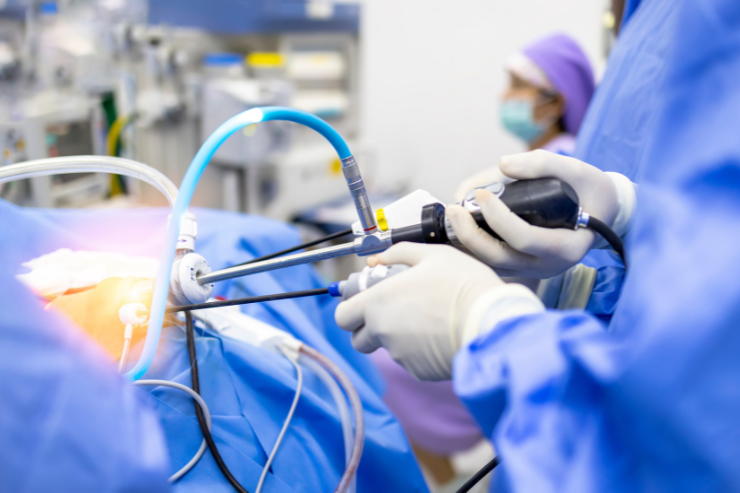
Advanced techniques like MIS TLIF and endoscopic surgery minimize incision size, reduce recovery time, and enhance outcomes for spinal conditions.
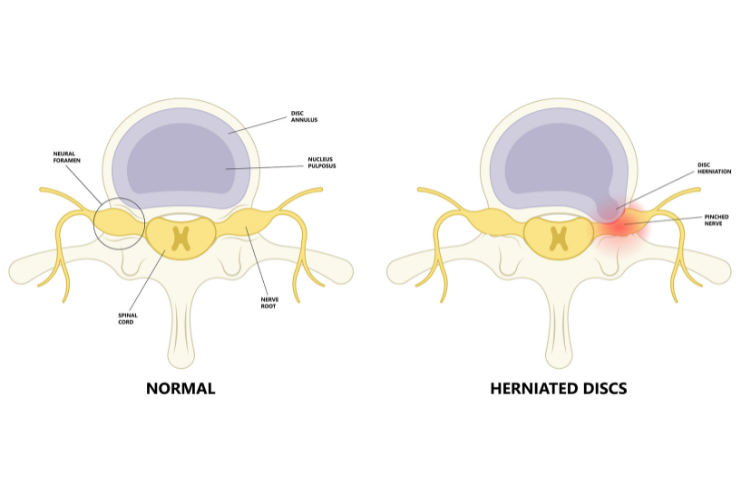
A surgical procedure to remove herniated disc material, alleviating pressure on spinal nerves and providing relief from pain and neurological symptoms.
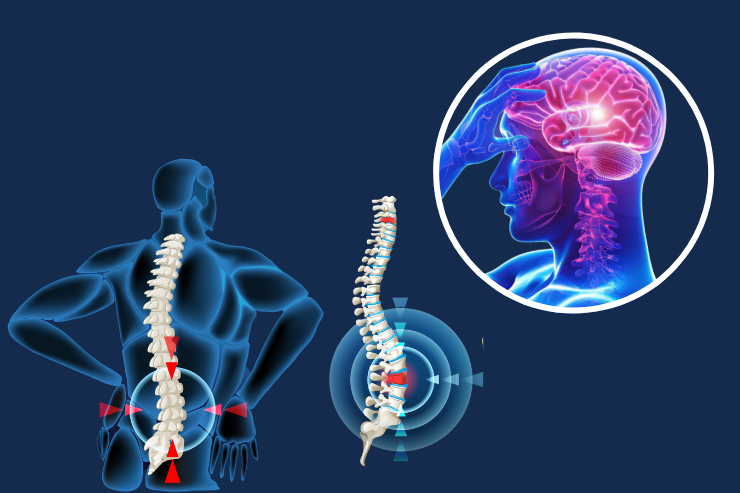
Comprehensive care for brain and spinal injuries, including surgical and non-surgical treatments, aimed at optimizing recovery and functional outcomes.
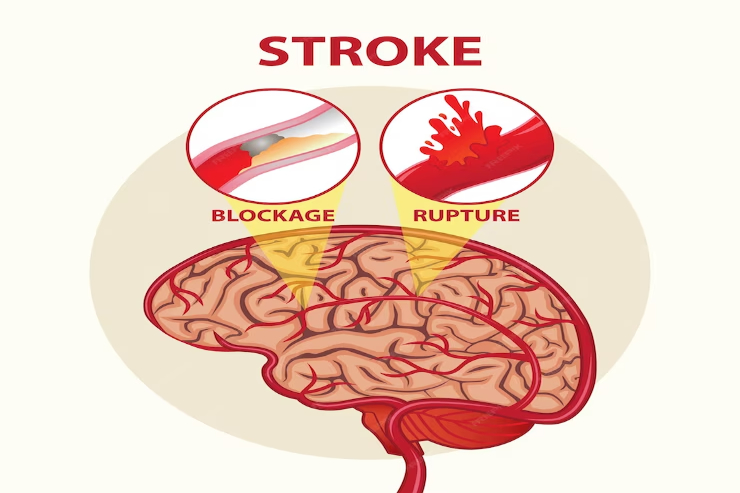
Immediate and long-term care strategies to manage stroke, focusing on restoring function, preventing complications, and improving quality of life through rehabilitation and medical treatments.
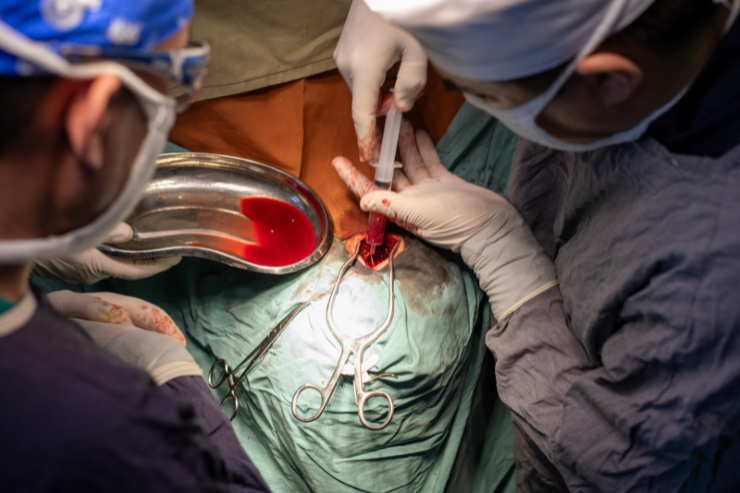
Precision techniques for treating brain tumors, abscesses, spinal tumors, and spinal tuberculosis with minimal impact on surrounding tissues, enhancing recovery and preserving function.
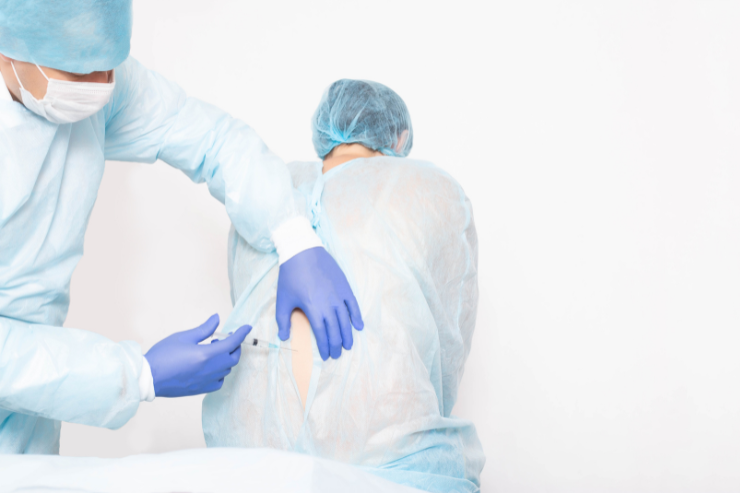
Targeted injections to relieve pain and inflammation in the spine by delivering medication directly to affected areas, providing effective, temporary relief.
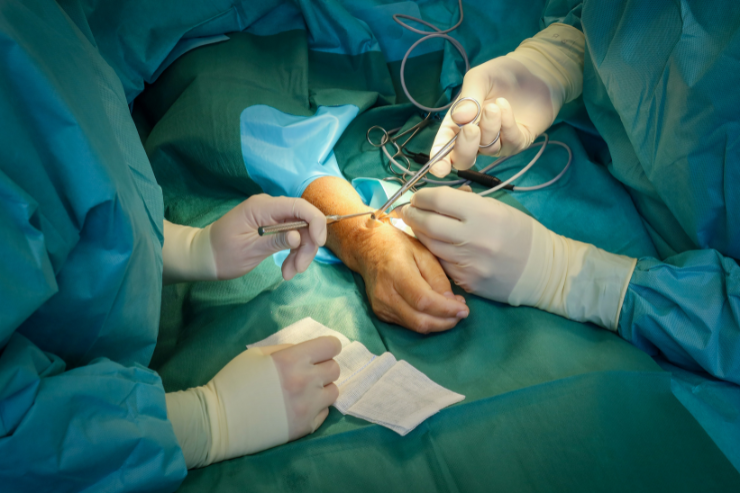
Surgical interventions to repair or decompress peripheral nerves, improving function and reducing pain caused by nerve injuries or compression.
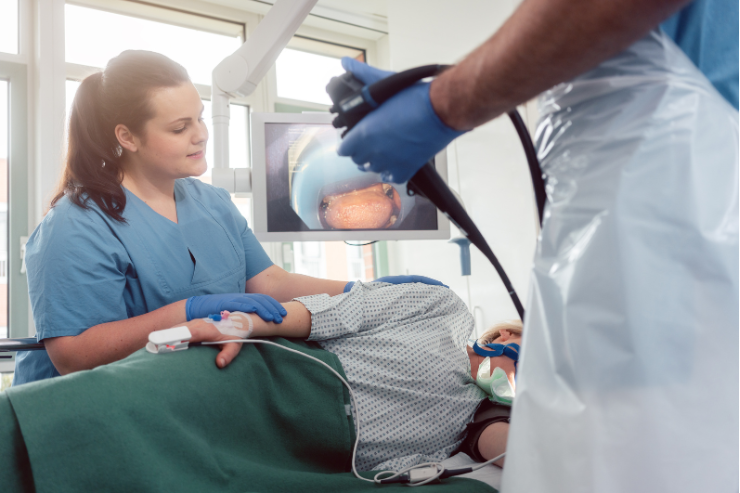
Minimally invasive brain surgery using endoscopic techniques to access and treat conditions with small incisions, leading to quicker recovery and less postoperative discomfort.
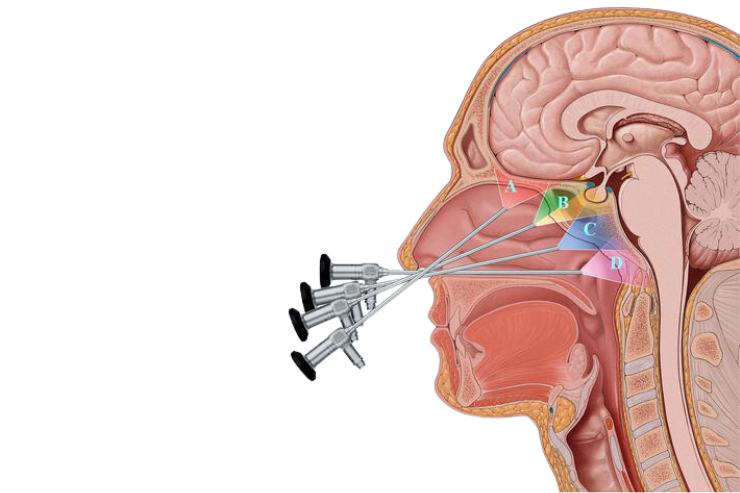
Specialized endoscopic procedures to address conditions at the base of the skull with precision, minimizing disruption to surrounding tissues and improving recovery outcomes.
Comprehensive evaluation and treatment of various headache types, including tension, migraines, and cluster headaches, to reduce frequency and severity, improving quality of life.
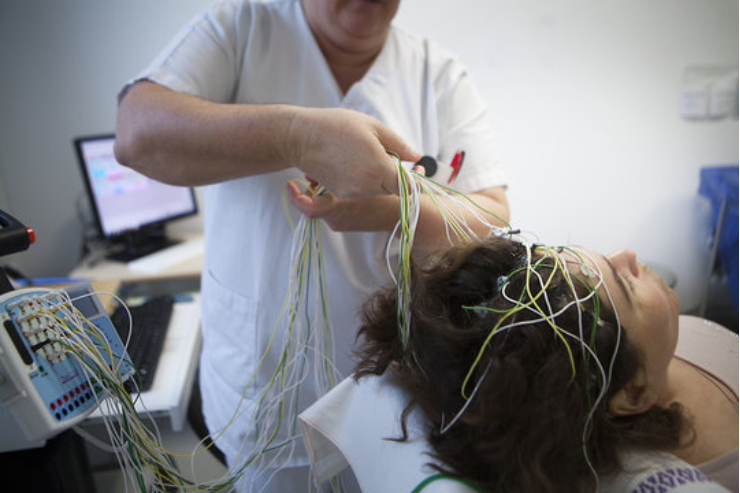
Personalized care for epilepsy, including medication, lifestyle adjustments, and surgical options to manage seizures effectively and enhance patients' daily functioning.