Introduction
Transsphenoidal surgery is a type of minimally invasive brain surgery. Doctors use it mainly to remove pituitary tumors. The pituitary gland sits at the base of your brain, just behind your nose. During this surgery, doctors reach the tumor through the nose or upper lip. Because of this approach, there is no need to open the skull. As a result, recovery is often faster and less painful than with traditional brain surgery.
Indications
Doctors recommend transsphenoidal surgery for several reasons. Most often, it is used to remove pituitary tumors. These tumors can cause headaches, vision problems, or hormone changes. Sometimes, the surgery helps treat other growths near the pituitary gland. In many cases, the transsphenoidal approach is safer and less risky than other methods.
Preparation
Before transsphenoidal surgery, your doctor will explain the steps. First, you may need blood tests and brain scans. These tests help your doctor plan the surgery. Next, you may meet with an anesthesiologist to discuss anesthesia. Sometimes, you will need to stop certain medicines before surgery. Your doctor will give you clear instructions. In addition, you should not eat or drink after midnight before the procedure.
The Procedure
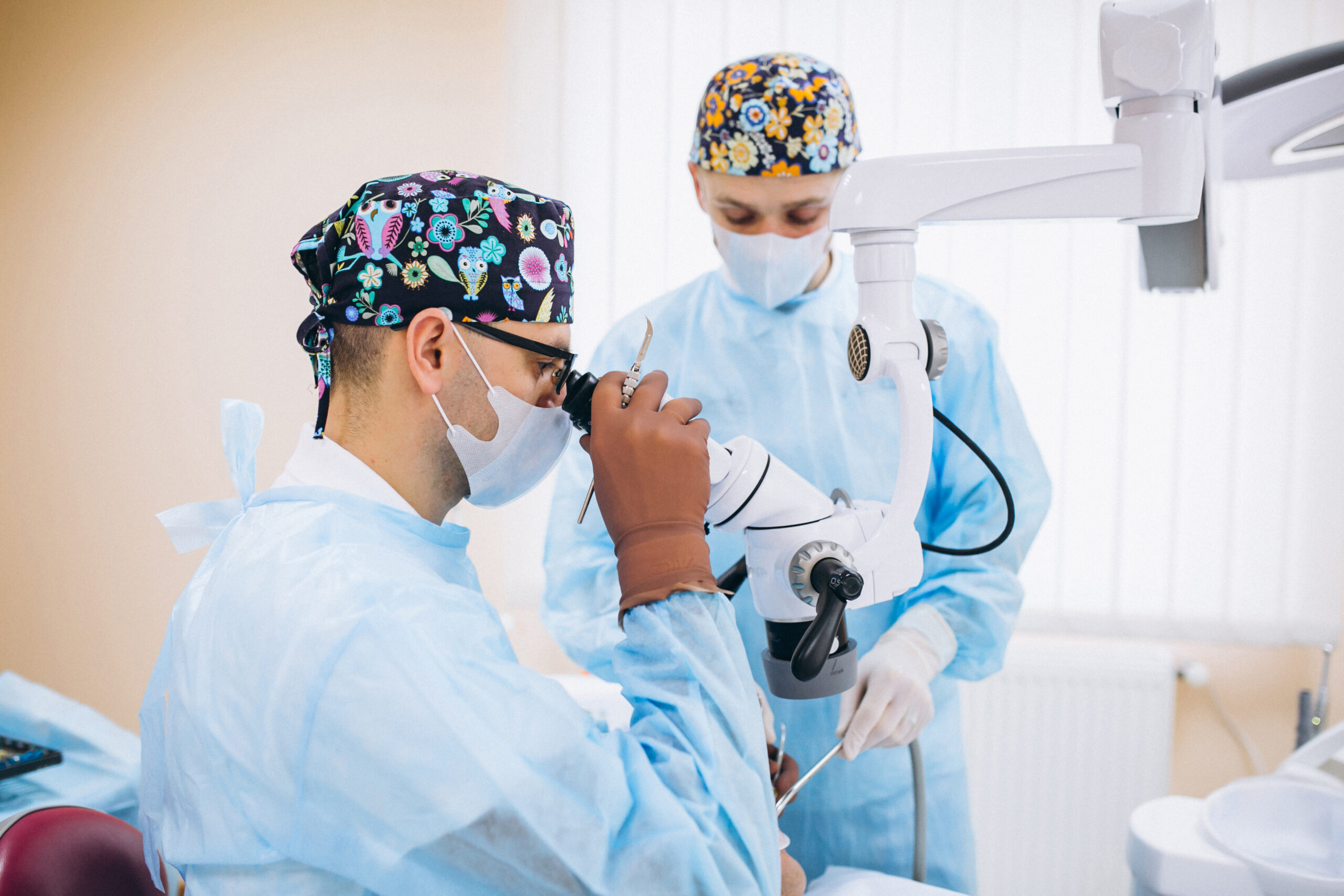
On the day of surgery, you will receive anesthesia to keep you asleep. Then, the surgeon will gently insert special tools through your nose or upper lip. Using a camera, the doctor can see the tumor clearly. Next, the surgeon removes the tumor or growth. Because the tools are small, there is less damage to nearby tissue. Finally, the doctor closes the area and you are moved to a recovery room. Most surgeries take two to three hours.
Benefits and Advantages
Transsphenoidal surgery offers many benefits. For example, it is less invasive than traditional brain surgery. This means:
Because the surgery uses a natural opening, there is less risk to the brain. Many patients return to normal activities sooner.
Risks and Possible Complications
Although transsphenoidal surgery is safe, all surgeries have risks. Some possible complications include:
Your doctor will discuss these risks with you. However, most people recover without major problems.
Recovery and Aftercare
After surgery, you may stay in the hospital for one to three days. During this time, doctors will watch for any problems. You may have some nasal stuffiness or mild headaches. Most people can return to light activities within two weeks. However, you should avoid heavy lifting or strenuous exercise for several weeks. Follow your doctor’s advice about medicines and wound care. Eating healthy foods and getting enough rest can help you heal faster.
Prevention and Follow-up Care
After transsphenoidal surgery, regular follow-up is important. Your doctor may order MRI scans to check for tumor regrowth. Blood tests can help monitor your hormone levels. If needed, you may see an endocrinologist for hormone support. Staying in touch with your care team helps prevent future problems. Early detection of any changes can lead to better outcomes.
Frequently Asked Questions (FAQ)
For more information, consult trusted sources like the World Health Organization (WHO) or your healthcare provider.
Consult the best neurosurgeon Dr. Sameep Koshti for personalized advice on transsphenoidal surgery.