
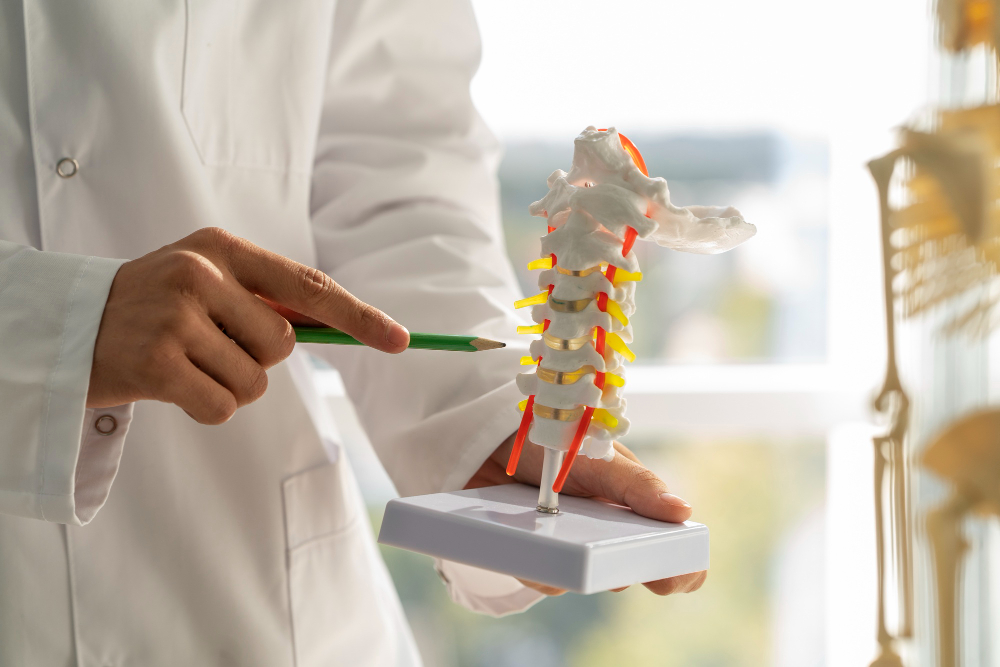
What Are Spinal Fractures?
Spinal fractures are breaks or cracks in the bones of your spine. The spine, also called the backbone, is made up of small bones called vertebrae. When one or more of these bones break, it is known as a spinal fracture. These injuries can range from mild to severe. Sometimes, a spinal fracture can cause pain, weakness, or even nerve problems. Because the spine protects the spinal cord, any injury here needs careful attention.
Common Symptoms of Spinal Fractures
Spinal fracture symptoms can vary. However, some signs are more common than others. Early recognition helps with faster treatment. Watch for these symptoms:
Sometimes, people may not feel pain right away. But if you notice any of these signs, seek medical help.
Causes and Risk Factors
Many things can cause spinal fractures. Most often, they happen due to trauma. For example, car accidents or falls can break the bones in your spine. Yet, some people are at higher risk even with minor injuries. Here are common causes and risk factors:
As you age, your bones may become weaker. Therefore, older adults have a higher risk. Women, especially after menopause, are also more likely to have osteoporosis-related fractures.
How Spinal Fractures Are Diagnosed
Doctors use several steps to diagnose spinal fractures. First, they ask about your symptoms and how the injury happened. Next, they do a physical exam. However, imaging tests are often needed to confirm the diagnosis. Common tests include:
Sometimes, doctors may order blood tests to check for bone problems like osteoporosis. Early diagnosis helps prevent further injury and guides the best treatment for spinal fractures.
Treatment Options for Spinal Fractures
Treatment for spinal fractures depends on the type and severity of the break. In many cases, rest and pain medicine are enough. But sometimes, more care is needed. Here are common treatment options:
Doctors will choose the best treatment based on your needs. For example, people with osteoporosis may need medicine to strengthen bones.
Prevention Tips and Lifestyle Guidance
While not all spinal fractures can be prevented, you can lower your risk. Simple steps can help keep your bones strong and your spine safe. Consider these tips:
Additionally, talk to your doctor about bone-strengthening medicines if you have osteoporosis or other risk factors.
When to See a Doctor
It is important to know when to seek help. If you have sudden back pain after a fall or accident, see a doctor right away. Also, if you notice numbness, tingling, or weakness in your arms or legs, get medical care quickly. Early treatment for spinal fractures can prevent long-term problems.
For personalized advice on spinal fractures, consult a neurologist or spine specialist at Dr. Sameep Koshti. They can guide you to the best care for your needs.