Neuromodulation – RTMS is a new way to help the brain heal. It stands for repetitive transcranial magnetic stimulation. This treatment uses gentle magnetic pulses to change brain activity. Many people with brain or nerve problems now have hope because of this method. Neurology and neuro surgery experts use RTMS to treat conditions like depression and anxiety. In fact, RTMS is a non-invasive brain stimulation that does not need surgery. Because of this, more people are asking about neuromodulation treatment and its benefits.
What is Neuromodulation – RTMS?
First, let’s understand neuromodulation. It means changing how nerves work in the body. Doctors use different tools to do this. RTMS is one of these tools. It uses a special device that sends magnetic pulses to the brain. These pulses help certain brain areas work better. For example, if a part of the brain is too slow or too active, RTMS can help balance it. This treatment is safe and does not require any cuts or needles. Because of this, many people prefer it over other methods.
Symptoms and Conditions Treated by RTMS
RTMS therapy helps with many brain and nerve problems. Doctors often use it for:
Because RTMS is non-invasive, it is a good choice for people who want to avoid surgery. In many cases, it is used when other treatments have not worked.
How is RTMS Performed?
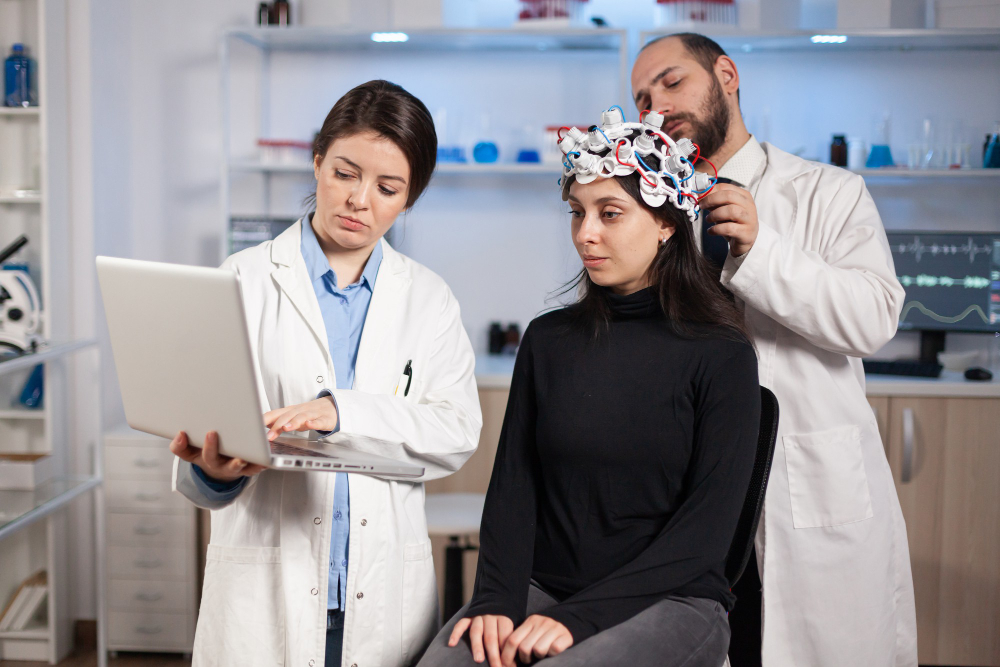
During RTMS, you sit in a comfortable chair. A doctor places a small device on your head. This device sends gentle magnetic pulses to your brain. Each session lasts about 20 to 40 minutes. You do not need anesthesia, and you can go home right after. Most people need several sessions over a few weeks. The treatment is painless for most people. Sometimes, you may feel a light tapping on your head. However, this is normal and not harmful. Safety is a top priority, and doctors watch you closely during each session.
Benefits and Effectiveness of RTMS
Many studies show that RTMS therapy for depression works well. In fact, some people feel better after just a few weeks. RTMS can help when medicines or talk therapy do not work. It is also helpful for anxiety, OCD, and migraines. Because it does not involve surgery, there is no long recovery time. Recent research from trusted sources like the World Health Organization (WHO) and medical journals supports these benefits. Patients often report improved mood, better focus, and less pain. For many, RTMS offers a new chance at better brain health.
Risks and Side Effects
RTMS is safe for most people. However, some mild side effects can happen. These include:
Serious side effects are rare. In very few cases, RTMS may cause a seizure. Because of this, doctors check your health history before starting treatment. Most side effects go away quickly and do not last long.
Who Should Consider RTMS?
RTMS is a good option for people who:
However, some people should avoid RTMS. For example, those with metal implants in the head (except dental fillings) or a history of seizures may not be good candidates. Always talk to a neurology specialist to see if RTMS is right for you.
Prevention and Lifestyle Guidance
Keeping your brain healthy is important. Here are some tips:
If you notice changes in mood, memory, or behavior, seek help early. Early care can prevent problems from getting worse. If you are interested in neuromodulation treatment, look for RTMS centers in your area.
Frequently Asked Questions about RTMS
Conclusion and Next Steps
In summary, neuromodulation with rTMS is a safe, non-invasive treatment option that can help manage certain brain and mental health conditions. With proper evaluation and expert guidance, it may offer relief for patients who have not responded to other treatments. Consult Dr. Sameep Kosthi for personalized advice on neuromodulation and rTMS therapy.