Introduction
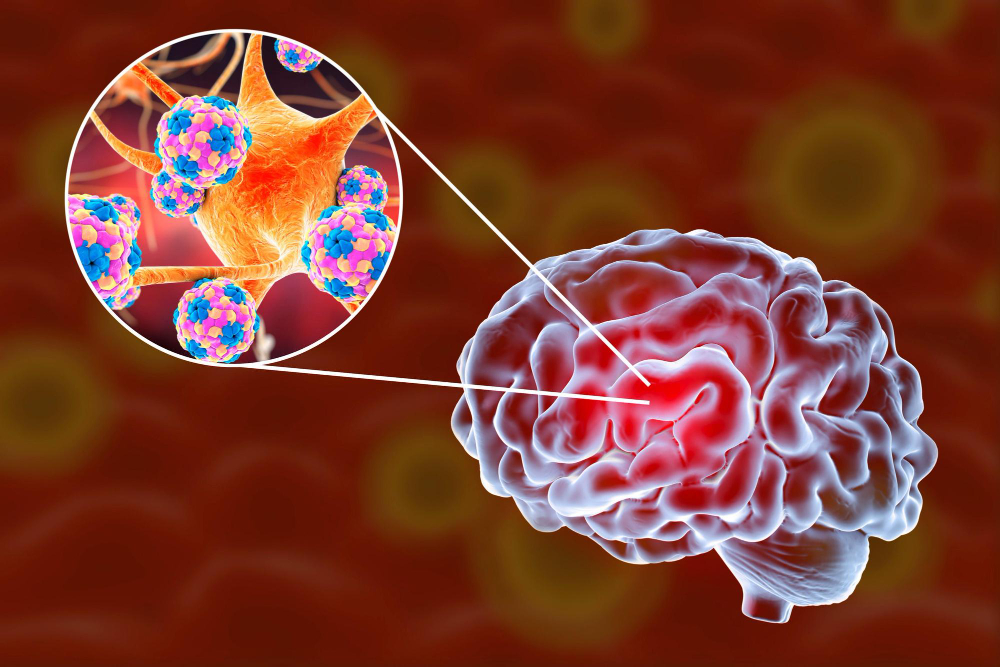
Encephalitis is a serious condition where the brain becomes inflamed. This swelling can cause many health problems. Although encephalitis is rare, it can affect people of any age. Early detection and treatment are important. In this blog, you will learn about encephalitis symptoms, causes, diagnosis, treatment, and prevention. Understanding these facts can help you or your loved ones stay safe.
Symptoms of Encephalitis
Recognizing the signs of encephalitis early can make a big difference. While symptoms may vary, some are more common than others. For example, many people start with mild flu-like signs. However, symptoms can quickly become severe. Watch for these warning signs:
Sometimes, children may show irritability, poor feeding, or body stiffness. If you notice these symptoms, seek medical help right away.
Causes and Risk Factors
Encephalitis can have many causes. Most often, it is due to infections. Viruses are the most common cause. For instance, herpes simplex virus, West Nile virus, and measles virus can lead to encephalitis. In some cases, bacteria, fungi, or parasites may also cause it. Besides infections, the immune system can sometimes attack the brain by mistake. This is called autoimmune encephalitis.
Several factors can increase your risk:
Because some causes are preventable, knowing your risk can help you stay protected.
Diagnosis Methods
Doctors use several tests to diagnose encephalitis. First, they ask about your symptoms and medical history. Next, they may perform a physical exam. To confirm the diagnosis, doctors may use:
Because early diagnosis is key, doctors act quickly if they suspect encephalitis.
Treatment Options
Treating encephalitis depends on the cause. For example, if a virus is responsible, doctors may give antiviral medicines. If bacteria are the cause, antibiotics are used. In some cases, doctors use steroids to reduce brain swelling. Other treatments may include:
Most people need to stay in the hospital for close monitoring. Early treatment often leads to better recovery.
Prevention Tips
Although not all cases can be prevented, some steps can lower your risk. For instance, you can:
Because prevention is easier than treatment, these habits are important for everyone.
Living with Encephalitis: Lifestyle Guidance
Recovery from encephalitis can take time. Some people may have lasting effects, such as memory problems or weakness. However, many improve with the right care. To support recovery:
Because every person’s journey is different, patience and support are key.
When to Seek Medical Help
Encephalitis is a medical emergency. If you or someone you know has sudden fever, confusion, seizures, or trouble waking up, seek help right away. Quick action can save lives and reduce long-term problems.
Frequently Asked Questions (FAQs)
For personalized advice on encephalitis, consult Dr Sameep Koshti today!