What Are Brain Tumors?
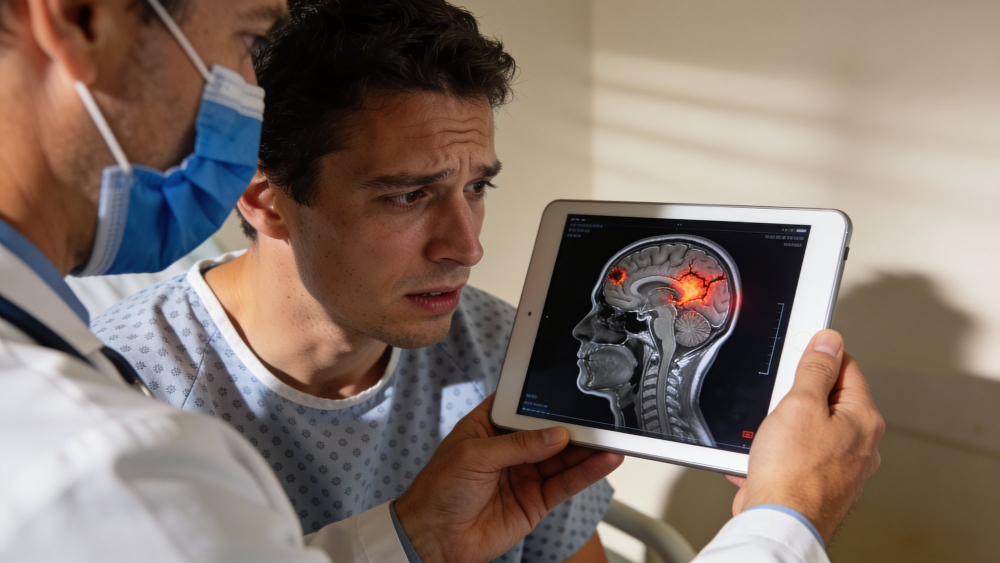
Brain tumors are growths of abnormal cells in the brain. Sometimes, these cells grow slowly. Other times, they grow quickly. Because the brain controls many body functions, tumors here can cause many symptoms. According to the World Health Organization (WHO), brain tumors can be either benign or malignant. Benign brain tumors are not cancer, but they can still cause problems. Malignant brain tumors are cancer and can spread to other parts of the brain or body. Early signs of brain tumors can be hard to notice, but knowing them helps with early care.
Types of Brain Tumors
There are many types of brain tumors. Some start in the brain, while others spread from other parts of the body. For example, primary brain tumors begin in the brain itself. Secondary brain tumors, also called metastatic tumors, spread from cancers elsewhere. Here are the main types:
Because each type acts differently, doctors use different treatment options for brain tumors based on the type and location.
Common Symptoms of Brain Tumors
Symptoms of brain tumors can vary. Sometimes, they depend on the tumor’s size and where it is in the brain. Early signs of brain tumors may be mild, but they can get worse over time. For instance, you may notice:
However, these symptoms can also be caused by other health problems. If you notice any of these signs, it is important to see a doctor soon.
How Brain Tumors Are Diagnosed
Doctors use several brain tumor diagnosis methods to find out if a tumor is present. First, they ask about your symptoms and medical history. Next, they may do a physical and neurological exam. After that, they often use imaging tests. For example, common tests include:
Because early diagnosis helps with better treatment, it is important to talk to your doctor about any new or lasting symptoms.
Available Treatment Approaches for Brain Tumors
Treatment options for brain tumors depend on the tumor type, size, and location. In many cases, a team of doctors will work together. Common treatments include:
In many cities, treatment centers offer advanced care for brain tumors. For example, some hospitals have special teams for brain tumor patients. Access to these centers can improve outcomes.
Lifestyle Tips and Support for Patients
Living with a brain tumor can be hard. However, many people find ways to cope and stay healthy. Here are some helpful tips:
Because support is important, friends and family can help with daily tasks or offer emotional support. Many hospitals also have counselors or social workers who can help patients and families.
Prevention and Risk Reduction
While most brain tumors cannot be fully prevented, some steps may lower your risk. For example, avoiding unnecessary exposure to radiation can help. Also, wearing protective gear during certain jobs may reduce risk. Although family history can play a role, most brain tumors happen without a clear cause. The Centers for Disease Control and Prevention (CDC) suggests regular check-ups and healthy habits for overall well-being. Because early signs of brain tumors can be subtle, paying attention to changes in your health is important.
Conclusion
If you have symptoms or concerns about brain tumors, reach out to Dr. Sameep Koshti for guidance. Early consultation can help you get the right diagnosis and support for your health.