Introduction
Adult degenerative scoliosis is a common spine problem in older adults. This condition causes the spine to curve sideways. As a result, it can lead to pain and other symptoms. Many people do not know they have it until symptoms appear. Early understanding helps you seek the right care. In this blog, you will learn about adult degenerative scoliosis, its symptoms, causes, diagnosis, and treatment options.
What is Adult Degenerative Scoliosis?
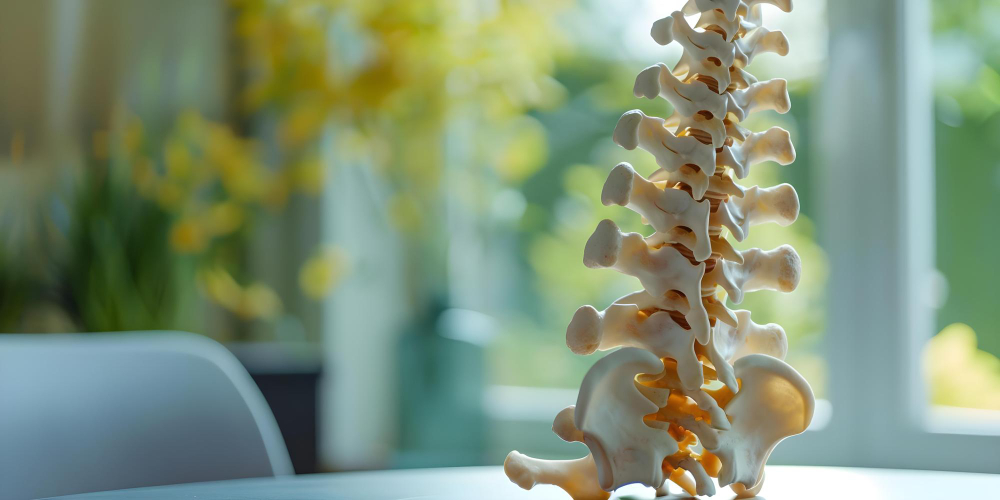
Adult degenerative scoliosis is a sideways curve of the spine that develops after age 40. Unlike scoliosis in children, this type happens due to wear and tear on the spine. Over time, the bones and discs in the back change. These changes can cause the spine to bend or twist. According to the World Health Organization (WHO), this condition is more common in older adults. It often affects the lower back, but it can happen in other areas too.
Common Symptoms
Symptoms of adult degenerative scoliosis can vary. However, many people notice changes as the curve gets worse. Some common signs include:
Sometimes, symptoms are mild at first. But over time, they can become more severe. For example, some people may have trouble walking long distances. Others may notice their clothes fit unevenly. If you notice these signs, it is important to talk to your doctor.
Main Causes
There are several causes of adult degenerative scoliosis. Most often, it develops due to aging. As people get older, the discs and joints in the spine wear down. This process is called degeneration. In addition, weak bones (osteoporosis) can make the problem worse. Other causes include:
Because these changes happen slowly, many people do not notice symptoms right away. However, as the curve grows, pain and other problems may appear.
Diagnosis Methods
Doctors use several methods to diagnose adult degenerative scoliosis. First, your doctor will ask about your symptoms and medical history. Next, they will do a physical exam. During the exam, the doctor checks your posture and spine. In many cases, imaging tests help confirm the diagnosis. These tests may include:
With these tools, doctors can find the cause and plan the best treatment for adult scoliosis.
Treatment Options
Treatment for adult degenerative scoliosis depends on the severity of symptoms. In many cases, doctors start with non-surgical options. These may include:
However, if these methods do not help, surgery may be needed. Surgery can straighten the spine and relieve pressure on nerves. According to the CDC, surgery is usually for severe cases or when other treatments fail. Your doctor will help you decide the best option for your needs.
Lifestyle and Prevention Tips
While you cannot always prevent adult degenerative scoliosis, healthy habits can help. For example, staying active keeps your back strong. Here are some tips:
With these steps, you may lower your risk or slow the progress of spinal curvature in adults.
When to See a Specialist
It is important to see a specialist if you notice signs of scoliosis symptoms in adults. For instance, if you have ongoing back pain, numbness, or trouble walking, do not wait. Early care can prevent more serious problems. A neurology or spine specialist can check your spine and suggest the right treatment for adult scoliosis.
Consult a neurology or spine specialist Dr. Sameep Koshti for personalized advice on adult degenerative scoliosis.