
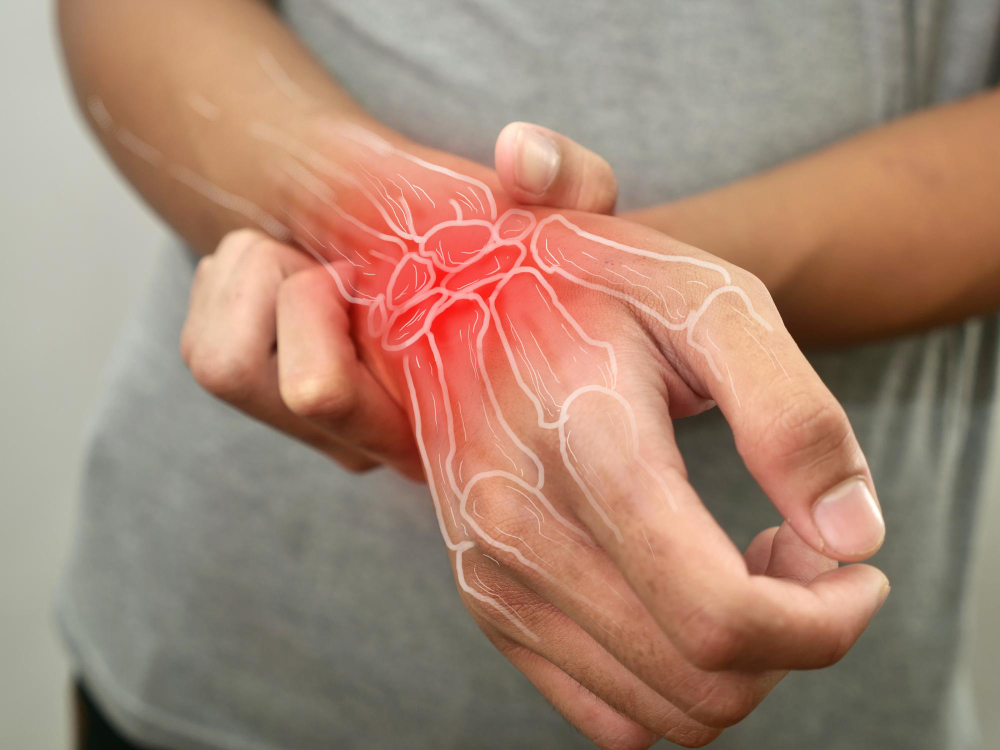
Peripheral nerve injuries can affect anyone, at any age. These injuries happen when nerves outside the brain and spinal cord are damaged. Because nerves help send signals between your body and brain, damage can cause pain, weakness, or numbness. In the United States, many people seek treatment for peripheral nerve injuries each year. Understanding the signs of nerve injury and knowing about nerve damage recovery can help you take action early.
What Are Peripheral Nerve Injuries?
Peripheral nerves are like tiny wires that carry messages throughout your body. When these nerves are hurt, they may not work well. As a result, you might notice changes in how you feel or move. For example, you could lose feeling in your hand or have trouble moving your foot. Peripheral nerve injuries can range from mild to severe. Some heal on their own, while others need medical care.
Common Causes of Peripheral Nerve Injuries
Many things can cause nerve injuries. Sometimes, an accident or injury leads to nerve damage. Other times, health problems or repeated motions are to blame. Because causes can vary, it is important to know the risks.
Recognizing Symptoms of Peripheral Nerve Injuries
Early signs of nerve injury can be easy to miss. However, paying attention to changes in your body can help you spot problems sooner. If you notice any of these symptoms, talk to a doctor.
Sometimes, symptoms may come and go. Even so, ongoing signs of nerve injury should not be ignored. The sooner you seek help, the better your chances for nerve damage recovery.
Diagnosis: How Peripheral Nerve Injuries Are Identified
Doctors use several methods to find out if you have a nerve injury. First, they will ask about your symptoms and medical history. Next, they may check your strength, feeling, and reflexes. Because nerve injuries can be tricky, special tests may be needed.
Early diagnosis can lead to better nerve injury rehabilitation outcomes.
Treatment Options for Nerve Recovery
Treatment for peripheral nerve injuries depends on how severe the damage is. Sometimes, rest and time are enough. In other cases, you may need medicine, therapy, or even surgery. Because each person is different, your doctor will suggest the best plan for you.
For many people, nerve injury rehabilitation is a key part of recovery. With the right care, some nerves can heal over time. However, severe injuries may take longer or need more support.
Lifestyle Tips and Prevention Strategies
Although not all nerve injuries can be prevented, some steps can lower your risk. Making healthy choices and staying aware of your body can help protect your nerves. In addition, these tips may support nerve damage recovery.
Because early action can make a big difference, always listen to your body. If you notice signs of nerve injury, seek help from a healthcare provider.
Conclusion
If you have symptoms of nerve injury or concerns about recovery, talk to Dr. Sameep Koshti. The team is here to help you find the right care and support for your needs.