
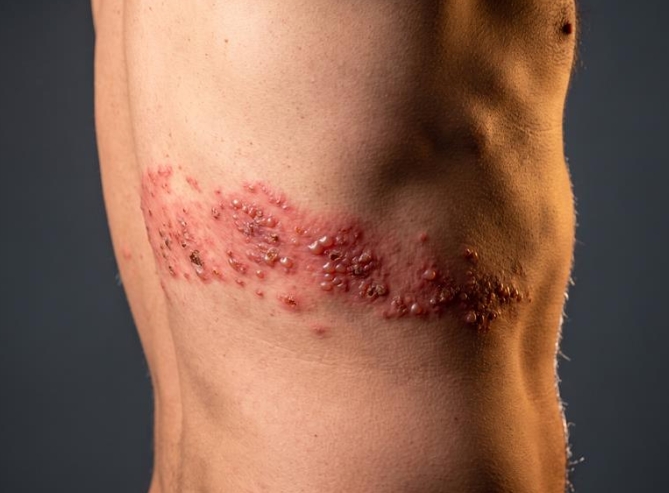
Introduction to Post Herpetic Neuralgia
Post herpetic neuralgia is a type of nerve pain that can follow shingles. Shingles is caused by the same virus that leads to chickenpox. After a person recovers from chickenpox, the virus can stay in the body. Sometimes, it becomes active again later in life, causing shingles. However, in some people, the pain from shingles does not go away. Instead, it lingers for months or even years. This lasting pain is called post herpetic neuralgia. According to the CDC, this condition is more common in older adults. For many, it can be very uncomfortable and affect daily life.
Common Symptoms of Post Herpetic Neuralgia
People with post herpetic neuralgia often feel pain in the area where they had shingles. This pain can be mild or very strong. Sometimes, it feels like burning, stabbing, or aching. In addition, the skin may be very sensitive to touch. Even light clothing or a gentle breeze can cause discomfort. Other symptoms may include:
Because the pain can last a long time, it may also lead to mood changes, such as feeling sad or anxious.
Main Causes and Risk Factors
Post herpetic neuralgia happens when the nerves are damaged by the shingles virus. As a result, the nerves send pain signals to the brain, even after the skin heals. Several factors can increase the risk of developing this condition:
For example, older adults are much more likely to get post herpetic neuralgia. Additionally, people with certain health problems, like diabetes or cancer, may also be at higher risk.
Diagnosis Methods
Doctors usually diagnose post herpetic neuralgia by asking about your symptoms and medical history. They may also do a physical exam to check the affected area. Sometimes, doctors use tests to rule out other causes of nerve pain. However, there is no single test for post herpetic neuralgia. If you have pain that lasts more than three months after shingles, you should talk to your doctor. Early diagnosis can help you get the right treatment.
Treatment Options for Post Herpetic Neuralgia
There are several ways to manage post herpetic neuralgia pain. Treatment often depends on how severe your symptoms are. Medical options include:
In some cases, doctors may suggest nerve blocks or other procedures. Supportive treatments, like physical therapy, can also help. For many people, a combination of treatments works best. Always follow your doctor’s advice and let them know if your pain does not improve.
Lifestyle Tips for Managing Pain
Along with medical treatment, simple lifestyle changes can make a big difference. For instance, you can try these tips:
Moreover, talking to friends or joining a support group can help you cope with long-term pain. If you feel sad or anxious, let your doctor know. They can suggest ways to support your mental health.
Prevention Strategies
The best way to prevent post herpetic neuralgia is to avoid shingles. The CDC recommends the shingles vaccine for adults over 50 years old. This vaccine can lower your risk of getting shingles and its complications. If you do get shingles, starting antiviral medicine within three days can help reduce the chance of nerve pain. In addition, keeping your immune system healthy may also help. Eat a balanced diet, stay active, and manage stress to support your body’s defenses.
Conclusion
In summary, post herpetic neuralgia is a painful condition that can follow shingles. While it can be hard to live with, many treatments and lifestyle changes can help manage the pain. If you think you have post herpetic neuralgia, do not wait. Consult Dr. Sameep Koshti for personalized advice on post herpetic neuralgia.