
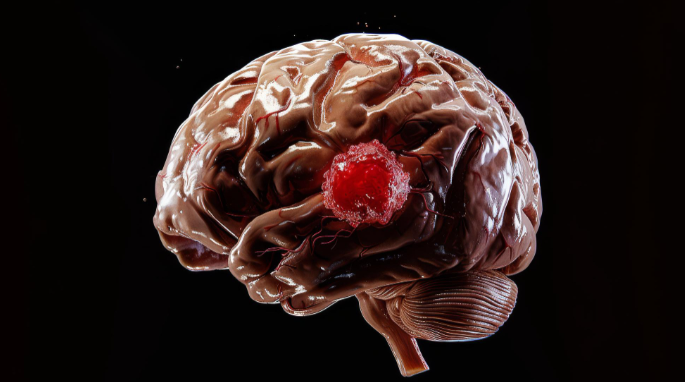
What is Cavernous Malformation?
Cavernous malformation is a condition where blood vessels in the brain form abnormal clusters. These clusters, also called cavernomas, look like small mulberries. Each cluster is made up of thin-walled blood vessels. Because of this, they can leak blood or cause other problems. Cavernous malformations can occur anywhere in the brain or spinal cord. However, they are most common in the brain. In the United States and worldwide, this condition affects people of all ages. Some people may never have symptoms, while others may need treatment for cavernous malformation.
Symptoms of Cavernous Malformation
Many people with cavernous malformation do not notice any symptoms. But sometimes, these brain blood vessel clusters can cause problems. For example, symptoms may appear if a cluster bleeds or presses on brain tissue. Common cavernous malformation symptoms include:
However, symptoms can vary based on the location of the cluster. If you notice any of these signs, it is important to seek medical help right away.
Causes and Risk Factors
Doctors are still learning about the exact cause of cavernous malformation. In many cases, the condition happens by chance. But sometimes, it runs in families. This is called familial cavernous malformation. If a parent has it, their child has a higher risk. Other risk factors include:
Even so, most people with cavernous malformation have no known risk factors. The condition can affect both children and adults.
How Cavernous Malformation is Diagnosed
Doctors use several tests to find cavernous malformation. First, they ask about your symptoms and medical history. Then, they may order imaging tests. For example, magnetic resonance imaging (MRI) is the most common test for cavernoma diagnosis. An MRI uses strong magnets and radio waves to create pictures of the brain. Sometimes, doctors use a special dye to see the blood vessels more clearly. In rare cases, other tests like CT scans or genetic testing may be used. Early diagnosis helps guide treatment for cavernous malformation.
Treatment Options
Treatment for cavernous malformation depends on your symptoms and the size of the cluster. Some people do not need any treatment if they have no symptoms. However, if you have problems like seizures or bleeding, your doctor may suggest:
In addition, your doctor will discuss the risks and benefits of each option. Not every person with cavernous malformation needs surgery. The best treatment plan is different for each person.
Living with Cavernous Malformation: Lifestyle Tips
After diagnosis, many people wonder how to live with cavernous malformation. While the condition can be scary, there are steps you can take to stay healthy. For example:
Moreover, joining a support group can help you connect with others facing similar challenges. Always ask your doctor before making changes to your routine.
Prevention and Outlook
At this time, there is no sure way to prevent cavernous malformation. Most cases happen without warning. However, knowing your family history can help. If you have a relative with cavernous malformation, talk to your doctor about genetic testing. The outlook for people with cavernous malformation varies. Many people live normal lives with few or no symptoms. But some may need ongoing care. Regular check-ups and early treatment can improve your quality of life.
If you or a loved one has symptoms or concerns about cavernous malformation, consult Dr. Sameep Koshti for personalized advice.