What is Vertebral Body Tethering (VBT)?
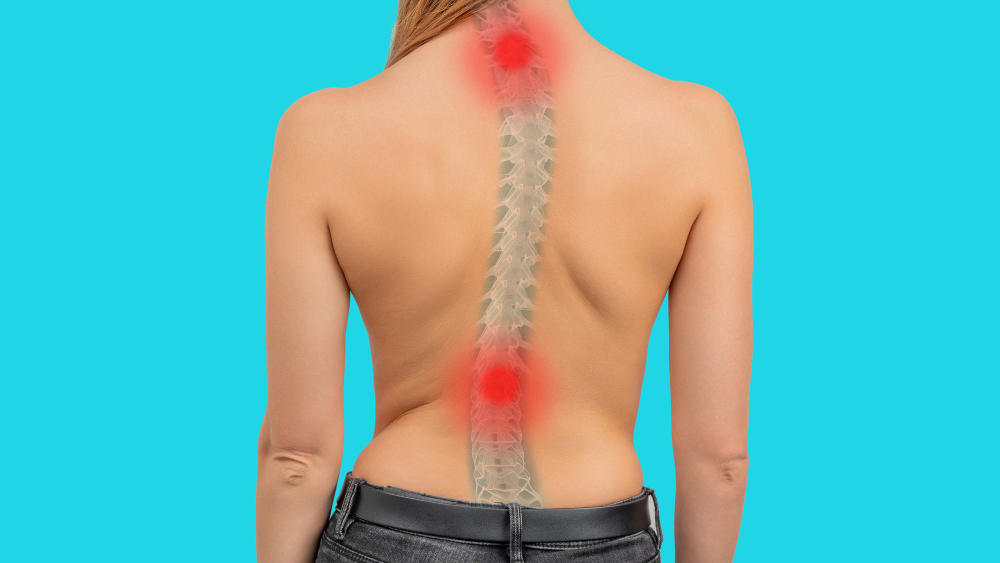
Vertebral Body Tethering (VBT) is a new way to treat scoliosis. Scoliosis is a condition where the spine curves sideways. Unlike traditional surgery, VBT is a minimally invasive scoliosis treatment. Instead of fusing bones together, VBT uses a flexible cord to guide the spine as a child grows. This method helps keep the spine flexible and straightens it over time.
Symptoms and Conditions VBT Addresses
VBT is used for children and teens with moderate to severe scoliosis. Usually, these patients have a curve that is getting worse. Common symptoms of scoliosis include:
For many, these signs appear during growth spurts. Early treatment can help prevent the curve from getting worse.
Causes and Risk Factors for Scoliosis Requiring VBT
Most scoliosis cases are called idiopathic, which means the cause is unknown. However, some risk factors include:
Sometimes, scoliosis can be caused by nerve or muscle problems. For example, conditions like cerebral palsy or muscular dystrophy can lead to spine curves. But, VBT is mainly for idiopathic scoliosis in growing children.
How VBT Works: Procedure Overview
VBT is a type of minimally invasive scoliosis treatment. During the VBT surgery, doctors make small cuts on the side of the chest. Then, they attach screws to the curved part of the spine. After that, a strong, flexible cord (tether) is connected to these screws. When tightened, the cord helps straighten the spine. As the child grows, the tether gently guides the spine into a better position. Unlike spinal fusion, VBT keeps the spine flexible.
Diagnosis and Eligibility for VBT
Doctors use X-rays and physical exams to check for scoliosis. To be eligible for VBT, a child usually needs:
Not every child with scoliosis is a good candidate. For example, VBT for adolescents works best when the spine is still growing. Your doctor will decide if VBT is right for your child.
Benefits and Potential Risks of VBT
VBT offers several benefits compared to traditional fusion surgery. For instance, it allows for more spine movement. Other benefits include:
However, like any surgery, VBT has risks. These may include:
Therefore, it is important to talk with your doctor about all possible risks and benefits.
Recovery, Aftercare, and Lifestyle Guidance
After VBT surgery, most children stay in the hospital for a few days. Recovery is usually quicker than with fusion surgery. For example, many can walk the next day. At home, children should:
With proper care, most children return to school and sports within a few months. However, regular check-ups are needed to watch the spine as it grows. If you notice pain, fever, or swelling, contact your doctor right away.
Prevention and Early Detection of Scoliosis
While you cannot always prevent scoliosis, early detection helps. Parents and teachers should watch for signs like uneven shoulders or hips. If you notice these, see a doctor for a check-up. Early treatment, such as bracing or VBT, can stop the curve from getting worse. Regular school screenings can also help find scoliosis early.
Conclusion
Vertebral Body Tethering (VBT) is a modern, minimally invasive scoliosis treatment. It helps growing children keep a flexible spine and improve their quality of life. If you think your child may need VBT, consult Dr Sameep Koshti for personalized advice on Vertebral Body Tethering (VBT).